
In workplaces across industries, the use of personal protective equipment (PPE) is often treated as a final safeguard, a safety net when other controls may have already fallen short. According to the Occupational Safety and Health Administration (OSHA), PPE is defined as equipment worn to minimize exposure to hazards that can cause serious workplace injuries or illnesses.
And while the fatality rate has declined slightly, that still means a worker died every 99 minutes from a work‑related injury last year.
Globally, the scale of the challenge is enormous. The International Labour Organization tracks occupational injury and illness data that highlights the huge human, social, and economic costs.
What this makes clear is that providing PPE isn’t enough. The gear must be right, maintained, inspected, and critically, fit for purpose. When inspections fail, so does one of the most visible lines of defense.
This blog will walk you through a comprehensive PPE inspection checklist so that your organization doesn’t leave safety to chance.
Why PPE Compliance Is Essential for Protecting Your Workforce
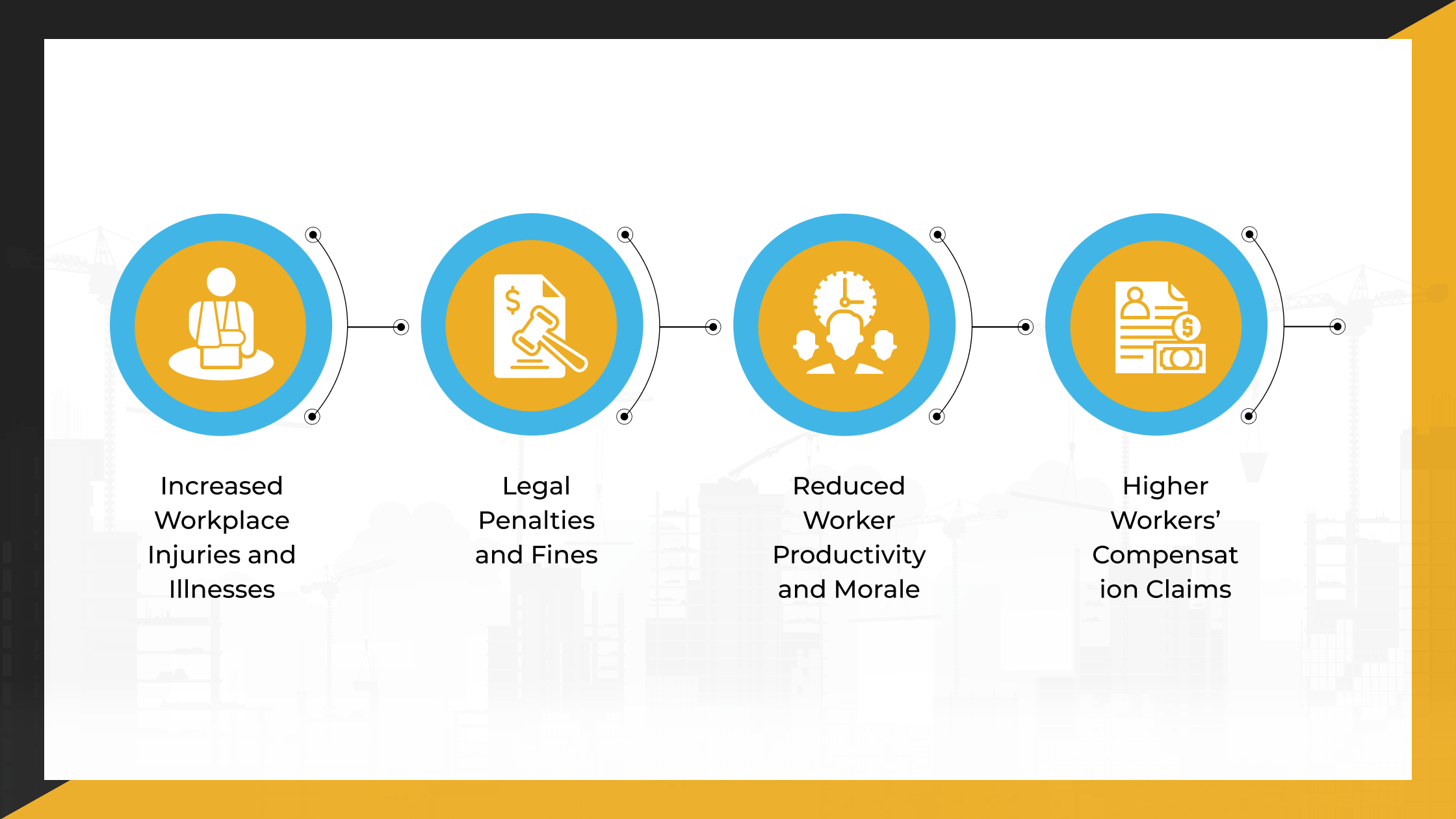
Noncompliance with PPE standards can have serious consequences for both workers and companies. Below are some of the risks associated with failing to adhere to PPE requirements:
1. Increased Workplace Injuries and Illnesses
PPE is designed to protect workers from workplace hazards. Without the right gear, workers are more vulnerable to accidents and exposure to harmful substances. This can lead to injuries, long-term health problems, or even fatalities, which can disrupt operations and affect productivity.
2. Legal Penalties and Fines
Regulatory bodies, such as OSHA, enforce strict PPE requirements. Failure to comply with these regulations can lead to legal penalties, fines, or even lawsuits. These legal costs can be significant and can strain a company’s finances.
3. Reduced Worker Productivity and Morale
When employees feel unsafe or lack the proper PPE, their confidence in their ability to perform tasks safely diminishes. This can lead to reduced productivity and poor job satisfaction, as workers may worry about their health and safety. A lack of compliance also undermines trust in a company’s commitment to workplace safety.
4. Higher Workers’ Compensation Claims
Injuries caused by inadequate PPE often result in higher workers’ compensation claims. This not only affects a company’s financial standing but can also lead to higher insurance premiums. Companies with frequent claims may have difficulty securing affordable coverage in the future.
Crucial Steps to Prepare for a Thorough PPE Inspection
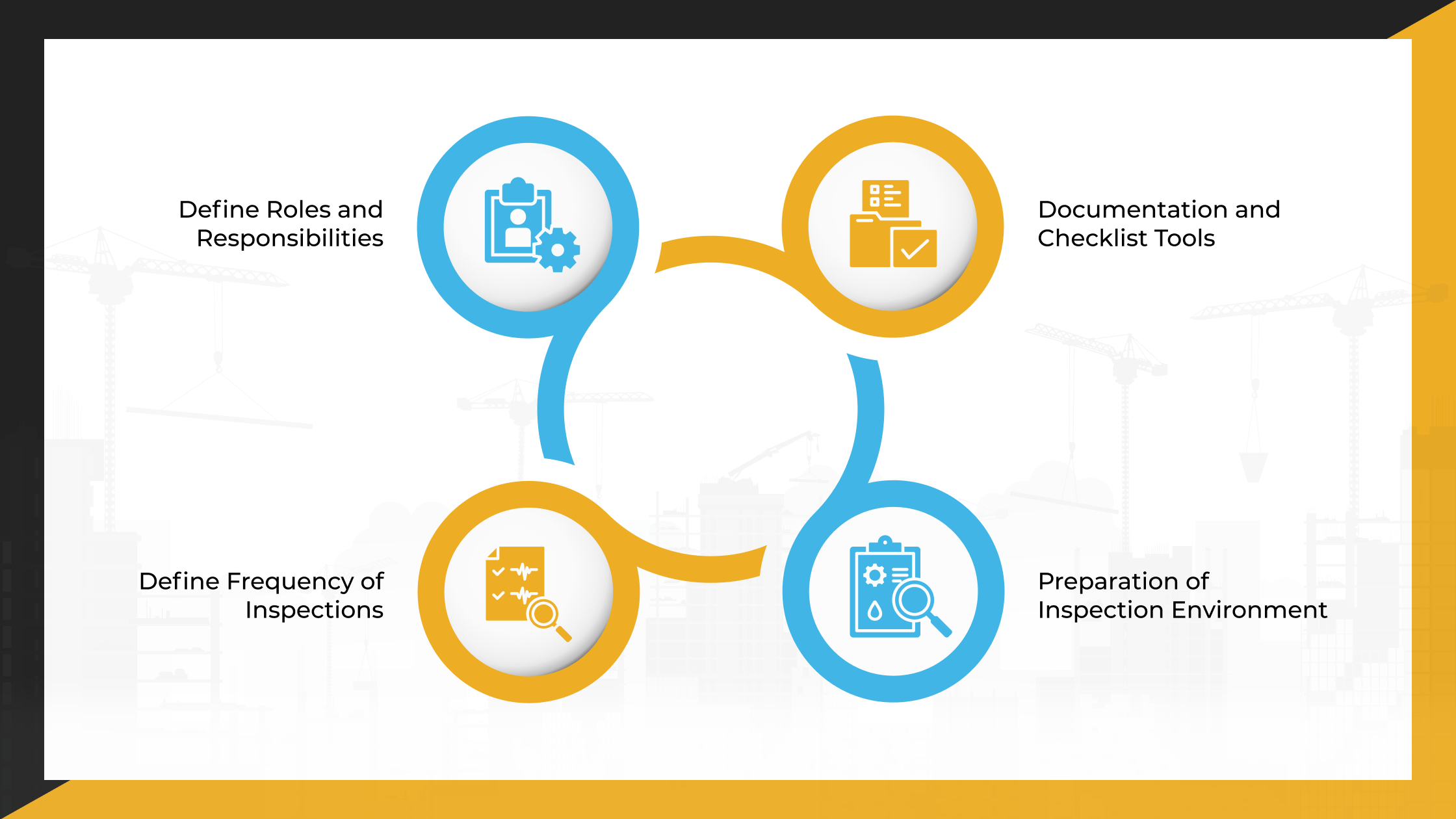
Before starting any PPE inspection, ensure everything is in place to conduct the inspection efficiently and accurately. Here’s a breakdown of each key element:
1. Define Roles and Responsibilities
The first step is to determine who will be responsible for carrying out PPE inspections. This is handled by individuals with a clear understanding of safety protocols and PPE requirements, such as:
| Role | Description |
| Safety Officers | Primary individuals responsible for overseeing PPE inspections and ensuring regular, thorough checks. |
| Supervisors | Oversee day-to-day PPE usage and check for visible wear and tear. |
| Competent Persons | Trained and certified professionals who perform detailed PPE inspections and identify issues that others may miss. |
Having these roles clearly defined helps ensure that inspections are performed consistently and by those with the right level of expertise.
2. Define Frequency of Inspections
The frequency of PPE inspections will depend on the type of equipment and the environment in which it is used. There are two main categories for inspections:
- Pre‑Use Checks: Before each shift or at the beginning of each task, workers should inspect their PPE. This includes checking for any obvious damage or defects. It’s a simple yet essential step that helps identify issues before they become problems.
- Periodic Detailed Inspections: These inspections are scheduled at regular intervals (e.g., weekly, monthly, or quarterly). They should be more comprehensive and check for wear and tear that might not be visible during pre‑use checks. For example, safety harnesses might need to be checked for webbing wear, and hard hats should be inspected for cracks that might develop over time.
- Ad Hoc Inspections: These are needed when something unusual happens, such as:
| After an Incident | Change in Environment | Damage or Wear |
| Inspect PPE thoroughly if involved in an accident or near miss for damage. | Inspect or replace PPE when workplace conditions or hazards change. | Immediate inspection is required if PPE shows signs of damage or wear. |
Documentation and Checklist Tools
Documenting each inspection is crucial for maintaining compliance, tracking issues, and ensuring continuous safety improvements. Here’s what to consider:
- Paper vs. Digital: While paper checklists can be effective, digital tools offer more benefits. Digital solutions, such as inspection apps, enable faster data entry, issue tracking, and easy access to historical records. Plus, they provide real-time updates, which makes it easier to identify recurring problems or trends.
- Record-Keeping: It’s essential to maintain detailed records of each inspection. Whether using paper or digital tools, the records should include:
- The date and time of inspection
- The PPE inspected (e.g., gloves, helmets, safety glasses)
- The inspector’s name and signature
- Findings (e.g., good condition, minor defects, major defects)
- Action taken (e.g., repair, replacement, removal from service)
These records can also help in audits and provide proof of compliance with safety regulations.
- Tracking Issues & Trends: One of the most valuable aspects of proper documentation is the ability to track PPE issues over time. By reviewing past inspection records, you can spot patterns (e.g., frequent failures of a particular type of glove or helmet). Tracking this data helps identify whether specific PPE needs to be replaced or improved or whether certain workplace hazards require more protective measures.
4. Preparation of Inspection Environment
Setting up the right environment for PPE inspection is essential to ensure accurate assessments. Here’s how to prepare:
- Collect all PPE that needs inspection. This might include hard hats, gloves, masks, boots, and safety glasses.
- Ensure that you have access to the manufacturer’s instructions and specifications for each type of PPE.
- Review past inspection reports to understand the history of each item’s condition.
- Ensure that everyone involved in the inspection process (whether performing inspections or using PPE) has received the appropriate training.
By preparing thoroughly, you can ensure that PPE inspections are performed efficiently and accurately, maintaining a safe working environment for everyone.
Equipment-Specific PPE Inspection Checklist for Workplace Safety
Here is the ultimate PPE inspection checklist to ensure your workplace safety equipment is thoroughly checked and maintained.
1. Head Protection (Helmets, Hard Hats)
- Check for cracks, dents, deformation, and fading/UV damage.
- Inspect suspension/adjustment systems for wear or loosening.
- Ensure proper fit on the wearer’s head and correct size and that no unauthorized modifications have been made.
- Check the expiry/manufacturer date if applicable.
- Storage condition: away from sunlight/chemicals/impact when not in use.2. Eye/Face Protection (Safety Glasses, Goggles, Face Shields)
- Inspect for scratches, cracks, fogging, and loss of transparency.
- Check straps/side arms, hinge integrity, and fit to the user’s face/helmet.
- Ensure the lens type is correct for the hazard (e.g., chemical splash vs. impact).
- Look for cleanliness and contamination issues.
3. Hearing Protection (Earplugs, Earmuffs)
- Check for cracks, deteriorated cushions or flanges, or missing parts.
- Ensure it fits properly and is worn as designed.
- Maintain storage hygiene and replace disposable elements.
4. Respiratory Protection
- Inspect the respirator mask body, seal, straps, valves, and filters.
- Confirm fit, testing where required, and ensure user training for donning/doffing.
- Check expiry dates of cartridges/filters and the integrity of storage.
- Verify the correct type for a hazard (e.g., particulate, chemical, biological) and compatibility with other PPE.
5. Hand Protection (Gloves)
- Inspect for tears, punctures, thinning, chemical degradation, and improper size.
- Ensure the correct glove material/type for a hazard (e.g., mechanical, chemical, thermal).
- Confirm the user knows correct donning/doffing and hygiene/storage practices.
6. Foot/Leg Protection (Safety Boots, Gaiters)
- Inspect for sole wear, toe cap deformation, cut/damage to the upper material, and corrosion in metallic parts.
- Confirm the correct type: anti‑slip, chemical-resistant, electrical hazard, etc.
- Check fit, lacing/fastening, and ergonomic compatibility.
7. Body/Protective Clothing/High Visibility
- Examine garments for rips, seams coming undone, and fading of high‑visibility strips.
- Check flame‑resistance where required, coating integrity, and correct layering.
- Confirm correct size/fit and compatibility (e.g., with harnesses).
8. Fall Protection/Harnesses/Lanyards
- Inspect webbing for frays, burns, and loose stitching and hardware (e.g., D‑rings, buckles) for deformation or corrosion.
- Ensure records of past uses (e.g., after an arrest event must be removed).
- Check fit to the user, correct anchorage, and compatibility with other PPE.
For a detailed version of the checklist, click on the link below to download the PPE Inspection Checklist:
The Ultimate PPE Inspection Checklist for Workplace Safety
How to Use the Checklist
- Record observations during the inspection, noting whether any issues were found or if the equipment is in good condition.
- If any PPE fails the inspection, specify whether it needs to be repaired, replaced, or removed from service.
- Track when the inspection was performed.
- Identify who performed the inspection to ensure accountability and traceability.
This checklist format will help ensure that every aspect of PPE is properly inspected, accurately recorded, and acted upon accordingly. It can be easily adapted for both manual and digital formats.
Practical Tips and Best Practices for Effective PPE Inspections
Here is a list of best practices to enhance the effectiveness of your PPE inspections and ensure maximum workplace safety.
1. Create a Schedule for Inspections
Establishing a clear schedule for PPE inspections is crucial to ensure consistent safety. Daily pre-use inspections should be conducted to verify that PPE is in proper condition before every shift.
For more thorough checks, monthly or semiannual deep inspections should be scheduled, especially in high-risk environments where equipment is subject to greater wear and tear. This helps identify potential issues that may not be immediately visible during daily checks.
2. Use Visible Tag/Status Markers on PPE
To keep track of when PPE was last inspected, consider using visible tags or status markers that display the “inspected until” date. This allows workers to quickly assess whether their PPE is up-to-date and ready for use.
Tags can also indicate when equipment is due for its next inspection, ensuring no item is overlooked and helping prevent unsafe equipment from being used.
3. Involve Workers in Inspections
Workers are the ones who use PPE daily and are in the best position to notice any discomfort, damage, or malfunctioning equipment. Involving them in the inspection process helps identify issues that might otherwise go unnoticed.
Encourage workers to report any concerns they have about their PPE, and consider involving them in periodic inspections or feedback sessions to improve overall safety practices.
4. Keep Spares for Critical PPE
Having spare PPE on hand is essential, especially for critical items, such as respirators, gloves, or safety boots, that could fail during work. Having backups ready ensures that downtime is minimized, and workers can quickly replace any faulty equipment.
This approach is critical in environments where PPE is integral to worker safety, and delays can lead to more serious incidents.
5. Store Checklists and Records Centrally
Storing inspection checklists and records in a central location makes them easier to track and retrieve. Whether it’s a digital or physical system, ensure that all inspection records are easily accessible for audits or review.
This helps maintain transparency, improve accountability, and support compliance with safety regulations. Keeping records organized ensures that you can quickly reference historical data when needed.
6. Tailor the Checklist to Your Industry/Hazards
No two workplaces are the same, and PPE needs can vary depending on the specific risks of your industry. Customize your inspection checklist to reflect the unique hazards present in your workplace.
For example, a construction site will have different requirements than a laboratory. Tailoring the checklist ensures that the correct equipment is being inspected for the appropriate risks, making the inspection process more efficient and effective.
Enhance Your Safety Strategy with Our Expert Consulting and Staffing Solutions

At Safe T Professionals, we are dedicated to elevating safety standards through our expert consulting and staffing services. By proactively addressing and preventing safety issues and equipping your workforce with the necessary knowledge and tools, we help create a safer work environment.
Partner with Safe T Professionals to enhance your company’s safety protocols and ensure compliance with industry standards. Whether you are looking to fill safety-specific roles or need expert consultation to mitigate workplace hazards, we are here to help.
Connect with us today!