
Not all hazards carry the same level of risk, yet on many sites, they are often treated that way. Daily safety effort tend to spread attention across everything, from minor issues to high-impact operational hazards. When everything is managed the same way, it becomes harder to focus on the risks that can cause serious harm.
The reality is that those high-consequence risks are not rare or unpredictable. In fact, workplace data shows that over 140,000 fatal work injuries occur each year, highlighting how severe outcomes are still a consistent part of operations.
In most major incidents, the hazards involved are not unknown. They are tied to familiar high-risk activities, such as working at height, confined space entry, or energy isolation. Controls are often defined, but they are not always applied or verified in practice.
Critical risk management (CRM) addresses this gap. It focuses on identifying high-consequence hazards and ensuring that the controls in place are clearly defined, consistently applied, and actively verified.
This blog explains what qualifies as a critical risk, how to identify and assess them, and how to ensure controls are working as intended.
What Is Critical Risk Management?
CRM is a structured approach to identifying and controlling hazards that have the potential to cause serious injuries, fatalities, or major operational impacts. It focuses on the risks that matter most rather than treating all hazards equally.
In general, risk management often spreads attention across a wide range of issues, including low-consequence hazards. CRM takes a different approach. It prioritizes risks based on the severity of the outcome, not just how often they might occur. This means that even low-frequency events receive focused attention if the potential impact is severe.
This approach is especially important for high-consequence, low-frequency events. These are situations that may not happen often, but when they do, the consequences are significant. Without a clear system to identify and manage them, these risks can remain uncontrolled.
What Qualifies as a Critical Risk?
Critical risks are those that carry the potential for severe consequences, even if they do not occur frequently. These are the risks that can lead to life-altering injuries, fatalities, or major disruptions to operations if controls fail.
What qualifies as a critical risk will vary by industry, equipment, and work environment.
Common examples of critical risks include:
- Working at height: Falls can result in serious injury or fatality if proper fall protection is not in place.
- Confined space entry: This includes risks related to limited oxygen, toxic exposure, or restricted movement during entry and work.
- Energy isolation failures: Inadequate lockout/tagout can lead to the unexpected release of energy during maintenance or servicing.
- Mobile equipment interactions: This might be contact between workers and moving vehicles or heavy machinery in active work zones.
- Hazardous chemical exposure: Contact with or release of substances can cause serious health effects or environmental harm.
- High-pressure or high-temperature systems: This refers to failures that can lead to explosions, burns, or equipment rupture.
Critical risks are defined by the severity of their potential outcome, not how often they occur. Identifying them clearly is the first step in ensuring that the right controls are in place and consistently applied.
How to Identify Critical Risks in Your Operations
Start by reviewing how work actually happens. Look closely at:
- Specific job steps and tasks
- Equipment design and process layout
- Interactions between workers, materials, and machines
Tools such as Job Hazard Analysis and Process Hazard Analysis help uncover where routine work hides severe consequences. Always evaluate the worst credible outcome, not just what’s most probable.
Include your frontline teams in this process. Workers and supervisors often see the exposures that paperwork misses. Reviewing incident data, near misses, and unsafe conditions adds valuable insight to distinguish critical risks from everyday ones.
Critical Risk Assessment: Focusing on Severity and Exposure
Assessing critical risks requires a shift in how you evaluate risk. Many teams focus heavily on likelihood, but when it comes to critical risks, the focus should be on what happens if something goes wrong, not just on how often it might occur.
A low-probability event can still have severe consequences. If a failure leads directly to serious injury, fatality, or major disruption, it should be treated as a priority regardless of how rarely it happens.
When assessing critical risks, you should consider:
- Severity of outcome: What is the worst credible consequence if the control fails? This includes fatalities, life-altering injuries, and major operational impacts.
- Exposure to the hazard: How often are people or systems exposed to the risk? Even short or infrequent exposure can be critical if the consequence is severe.
- Number of people at risk: Are multiple workers exposed to the same hazard at the same time? Higher exposure increases overall risk.
- Direct path to harm: Are there scenarios where failure leads immediately to serious consequences without additional barriers?
Risk matrices can be useful, but they should not replace judgment. If you rely only on scoring, high-consequence risks may appear lower priority simply because they occur less often.
A focused assessment helps you clearly identify critical risks and avoid treating them the same as routine hazards. It also sets the foundation for defining controls that directly prevent or reduce the most serious outcomes.
What Are Critical Controls and Why Are They Important?
Critical controls are the safeguards that interrupt the path between a hazard and a high-consequence event. If these controls fail or are missing, the risk is no longer contained. That’s why they require a clear definition and consistent verification.
Engineering Controls
Engineering controls are built into equipment or systems to physically prevent a hazardous event. These include measures such as interlocks, machine guards, and fall restraint systems.
Because they do not rely on human behavior, they are often the most reliable form of control. When properly designed and maintained, they reduce the likelihood of failure at the source.
Administrative Controls
Administrative controls focus on how work is planned and executed. These include systems such as permit-to-work processes, defined procedures, and step-by-step supervision.
They help ensure that high-risk tasks are carried out under controlled conditions. Their effectiveness depends on consistency, clarity, and adherence in real operations.
Physical Barriers or Isolation Systems
These controls separate people from hazards or isolate hazardous energy. Examples include barriers around moving equipment, locked enclosures, and isolation systems that prevent exposure.
Detection or Emergency Systems
Detection and emergency systems are designed to identify hazards early or respond when something goes wrong. This includes alarms, gas detection systems, emergency shutdowns, and warning systems.
While they may not prevent the initial hazard, they play a critical role in reducing incident severity by enabling a timely response.
Identifying and Defining Critical Controls
Once critical risks are identified, the next step is to clearly define the controls that prevent those risks from leading to serious outcomes.
When defining critical controls, you should ensure:
- Each control is clearly linked to a critical risk: The purpose of the control should be specific. It should be clear which hazard it addresses and how it prevents or reduces the risk.
- The function of the control is well defined: It should be clear what the control is designed to do, whether it prevents the event entirely or reduces its impact.
- Failure conditions are understood: You should be able to identify what it looks like when the control is not working. This helps detect issues before they lead to an incident.
- Controls are specific and observable: A control should be something you can see, measure, or verify in the field. Vague statements do not provide reliable protection.
- Controls are practical to implement and maintain: If a control cannot be consistently applied or maintained, it will not be effective in real operations.
Avoid defining controls in general terms such as “follow procedures” or “be careful.” These do not provide clear direction and cannot be reliably verified.
Well-defined critical controls make it easier to monitor performance, assign responsibility, and ensure that the most important safeguards are consistently in place.
Verification of Critical Controls
Defining critical controls is not enough. You need to confirm that they are working as intended in real conditions. Many incidents occur not because controls are missing, but because they are assumed to be in place without verification.
Verification should be part of daily operations. It includes checking physical safeguards, observing how work is performed, and testing systems such as alarms and interlocks to ensure they function correctly.
Clear responsibility is essential. Define who verifies controls and how often, or checks will be missed.
Effective verification helps identify early signs of failure and reinforces accountability by ensuring controls are actively confirmed.
Roles and Responsibilities in Critical Risk Management
Every CRM program relies on clear accountability:
- Leaders set expectations, allocate resources, and reinforce the importance of verification.
- Supervisors ensure that controls are in place and working before any task begins.
- Safety professionals identify exposures, support assessments, and audit the effectiveness of controls.
- Workers apply the controls and report any deficiencies or failures without delay.
Defining these responsibilities prevents unclear ownership and keeps everyone aligned on managing critical exposures.
Common Failures in Critical Risk Management
Even a mature system can falter if it:
- Treats all risks with equal priority
- Fails to distinguish critical exposures from low-level hazards
- Relies on paperwork without verifying field conditions
- Lists controls that are too vague or unenforceable
- Lacks assigned accountability for verification
- Neglects to update the critical risk register when operations change
Ignoring these pitfalls leaves organizations exposed to the very events they intend to prevent.
How to Implement an Effective Critical Risk Management System
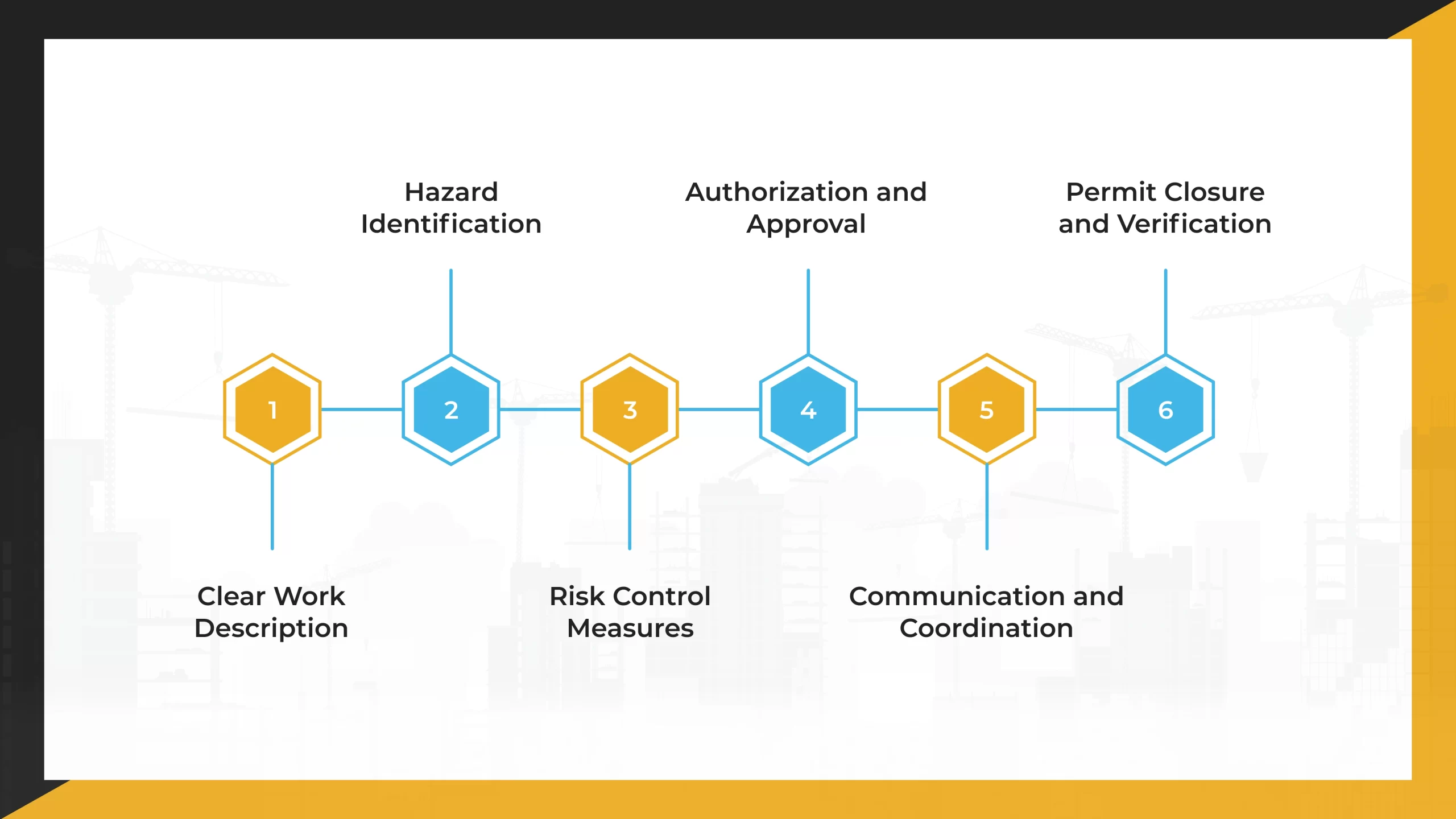
A good CRM system is built by integrating risk identification and control into daily operations. Many organizations define risks and controls, but gaps appear when these are not consistently applied or verified in practice. Implementation should focus on clarity, ownership, and routine execution so that critical risks are actively managed, not just documented.
Develop a Critical Risk Register
Start by identifying and documenting the critical risks specific to your operations. A critical risk register provides a clear view of high-consequence hazards and helps ensure they are consistently recognized across teams and sites. This becomes the foundation for all further control and verification efforts.
Define Critical Controls Clearly
Each critical risk should be linked to specific controls that prevent or reduce the outcome. These controls need to be clearly defined, measurable, and observable in the field. Vague or general controls do not provide reliable protection.
Assign Ownership for Each Control
Responsibility for each critical control should be clearly assigned. This includes who is responsible for implementation, monitoring, and verification. Clear ownership prevents gaps and ensures accountability at every stage.
Establish Verification Routines
Verification should be built into regular operations through inspections, observations, and testing. Defining how often controls are checked and by whom helps ensure they remain effective over time.
Train Teams on Critical Risks and Controls
Teams need to understand which risks are critical and which controls are required to manage them. Training should focus on practical application so that workers can recognize when controls are missing or not functioning as intended.
Integrate into Daily Operations
CRM should not operate as a separate system. It needs to be embedded into daily work practices, permit systems, and routine activities so that managing critical risks becomes part of how work is performed.
Major Risk Management and Operational Discipline
Strong CRM and operational discipline go hand in hand. You’ll know your system works when:
- Controls are visible and consistently applied.
- Verification is standard practice before work begins.
- Leaders discuss critical exposures and control results in routine meetings.
CRM builds a culture of accountability. Everyone, from leadership to the front line, understands which controls prevent fatal incidents and ensures they never fail in practice.
Improve Safety Performance with Expert Support from Safe T Professionals

CRM protects your workforce from the hazards most likely to cause catastrophic harm and reinforces every aspect of your EHS program.
Enhance Your Safety Standards with Expert Support from Gallagher Bassett
We’re dedicated to elevating safety standards through expert consulting and staffing services. By proactively addressing and preventing safety issues and equipping your workforce with the necessary knowledge and tools, we help create a safer work environment.
Partner with us to enhance your company’s safety protocols and ensure compliance with industry standards. Whether you’re looking to fill safety-specific roles or need expert consultation to mitigate workplace hazards, we’re here to help. Connect with us today!